Empty industrial plant hall with overhead cranes, ready for a phased equipment transition.
Oil & Gas

Modernize and Optimize

CPLANE helps producers, midstream operators, and the system integrators who serve them replace a patchwork of proprietary PLCs and DCS nodes with an open, O-PAS-based control layer. Cybersecurity is designed in. Field I/O stays. The plant keeps running.

Quick estimate

Downtime cost avoided with a phased cutover

$250,000
21 days
2 days

$4.8M

19 production days kept

How CPLANE does it

Compares a single big-bang cutover with migrating one isolatable unit at a time.

Revenue pulled forward

50 MW
$150
6 weeks

$10.4M

$1.7M per week of delay

How CPLANE does it

Every week of commissioning delay is a week of unbilled capacity.

Annualized OT downtime exposure

$250,000
7 days
10%

$175,000

Single incident: $1.8M

How CPLANE does it

Illustrative only, not a risk assessment.

Annual value from optimization

$200.0M
1.5%
$20.0M
5%

$4.0M

$3.0M yield, $1.0M energy

How CPLANE does it

Adds a yield or throughput gain on production value to a reduction in annual energy spend.

Set up a Strategy Call

Control Can No Longer Wait for the Next Turnaround

Compute refreshes on a 5 to 7 year cycle. Field I/O lasts 12 to 15 years. Refresh the controller without ripping what still works.

Fusion 500 is in production control at ExxonMobil, running a chemical terminal. Closed-loop AI control runs on the Fusion 500 at a Texas A&M small modular reactor test facility.

Talk with an Expert

How We Start

We engage before the next turnaround locks the controls spec.

Step 1

Map the Fleet

Site list, controller inventory, protocol mix, where remote access lives, and total cost over the asset life.

Step 2

Prove One Island

Live control starts on one isolatable unit. The rest of the site stays on the installed stack until that island proves itself.

Step 3

Keep Your Integrator

CPLANE does not go around the SI who already knows the plant. The integrator, the EPC, and operations stay in the loop.

Step 4

Evaluate on the Fusion 500

Before a wider rollout, your engineering team validates the platform on the Fusion 500, in your environment, against your requirements.

Built for Oil and Gas

Open control from the tank battery to the terminal, with the site still running.

Upstream through fleet-wide control

Tank batteries, gathering, refining, and fleet monitoring run as applications on one open platform. Field wiring stays. One security perimeter. One patch cycle.
  • Upstream: separators, heater-treaters, LACT, and produced water
  • Midstream: compression, measurement, pipeline, and tankage
  • Downstream units and fleet-wide monitoring on one stack
One security perimeter from tank battery to terminal.
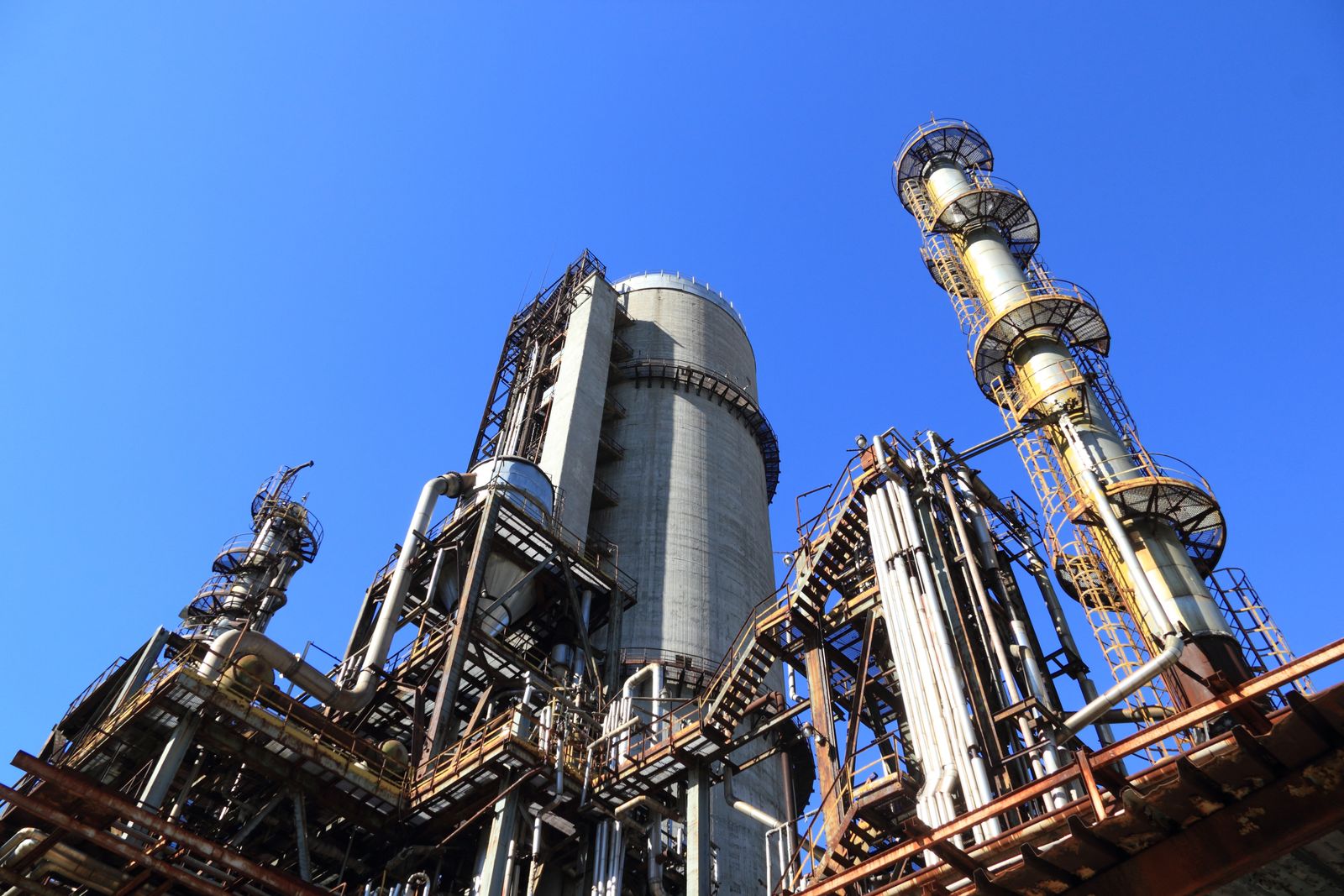
Process towers and piping at an oil and gas plant.

One vendor gates the refresh

Proprietary PLC and DCS islands mean every security patch needs its own window. That vendor also sets the outage, the spare-parts price, and the leverage on the next bid.
  • Vendor patchwork and slow commissioning at every site
  • Installed controllers were not built for a 25-year OT life plus analytics
  • Pipeline cyber rules are here. Upstream is next.
Refresh compute without ripping field I/O.
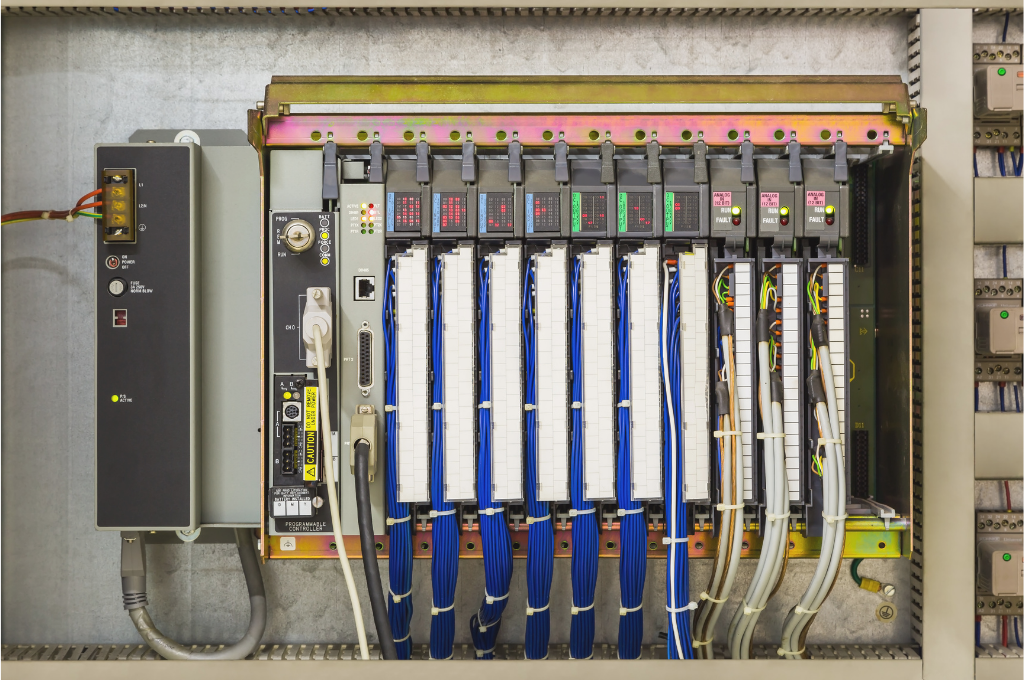
Older proprietary PLC hardware.

Open platform control

Tank-battery, station, and unit control runs on one shared platform. No single hardware brand gates the next refresh. Swap compute vendors and keep the applications.

  • Keep marshalling and field I/O that still works
  • Software failover in under one control cycle
  • APC, quality, and analytics when you are ready
Your roadmap, not the vendor's.
Engineers coordinating on an industrial site.

Uptime without extra hardware

Redundancy runs in software. The same mechanism that keeps control through a node failure lets you patch without a maintenance window.
  • Failover in under one control cycle. Setpoints and interlocks stay active.
  • No dedicated standby PLC chassis
  • Rolling upgrades across a battery or station
Virtual DCNs update in hours, not a turnaround.
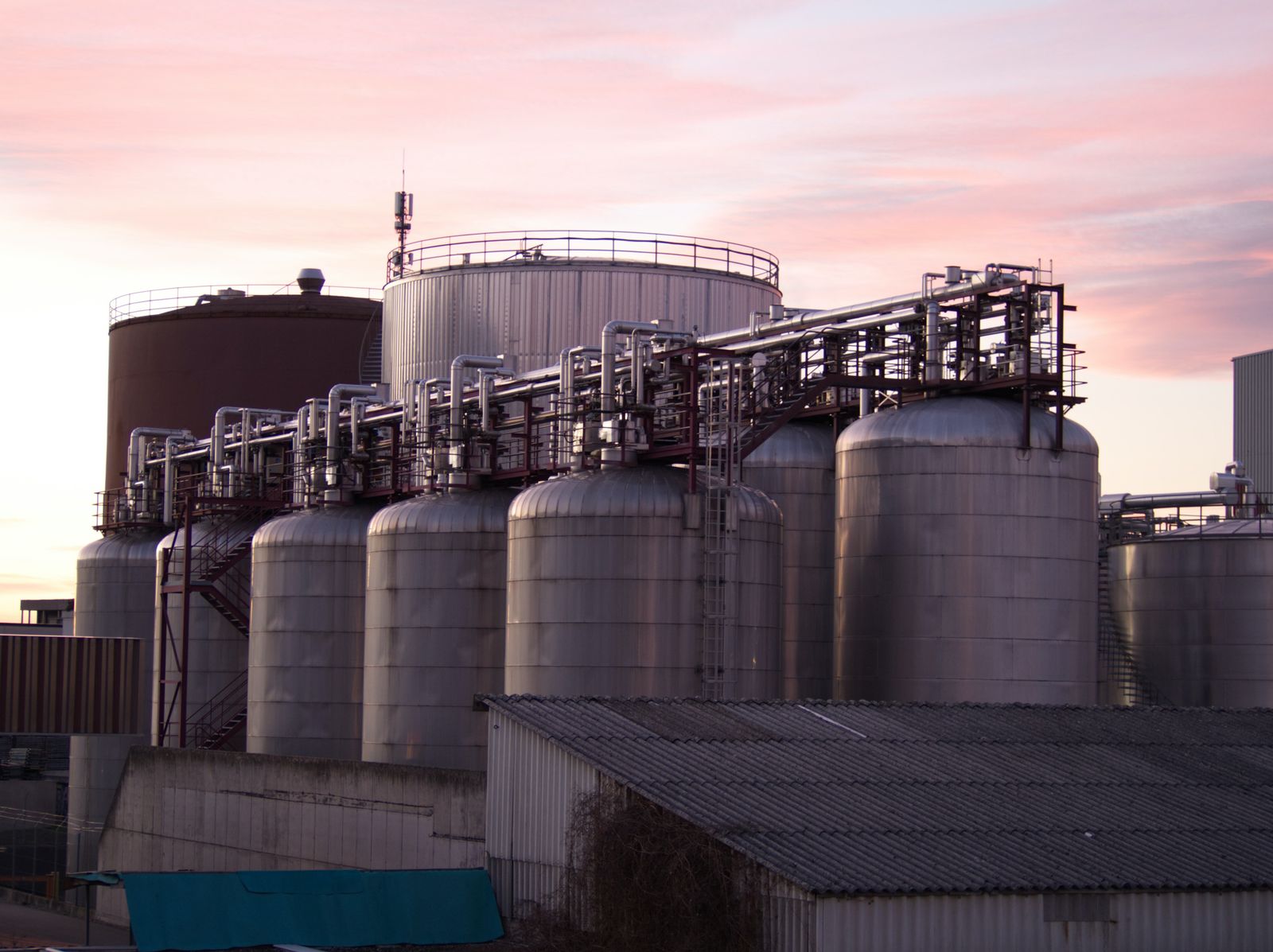
Storage tanks and piping at a process terminal.

Built to IEC 62443-4-2 SL2

TSA pipeline directives and CISA advisories point at the same surface: internet-facing OT controllers. Zone the facility. Patch live. A February 2026 U.S. Army red team found no vulnerabilities that allowed unauthorized access to control.
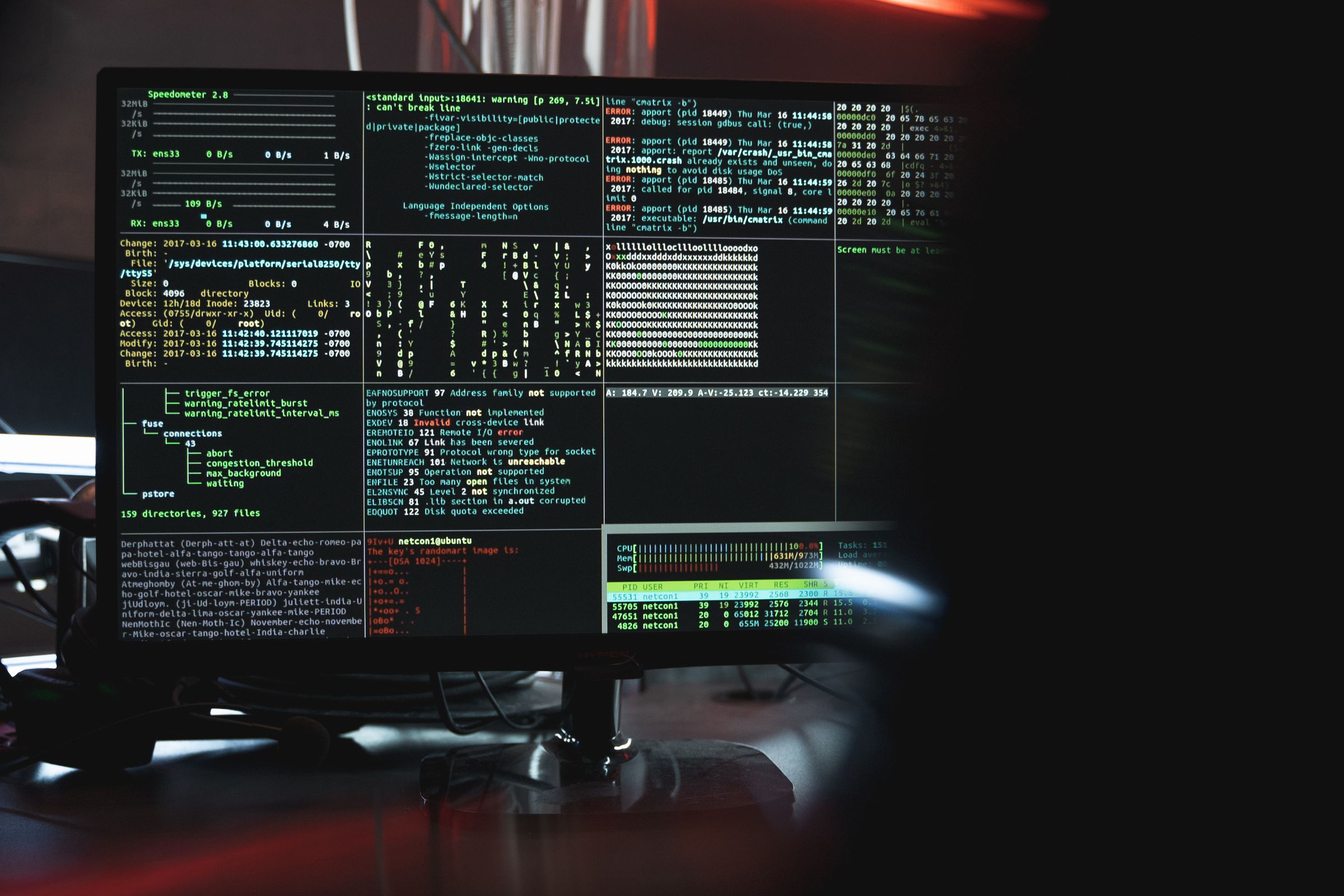
  • Purdue / IEC 62443 segmentation. Access through a gateway.
  • Not a claim that Fusion 500 would have stopped a named incident.
  • A password change on a wellsite PLC is an operations event.
Open standards. Not a new vendor dependency.
Security operations monitors.

ExxonMobil, Texas A&M, U.S. Army

Fusion 500 is in production control at ExxonMobil, running a chemical terminal. Closed-loop AI control runs at a Texas A&M small modular reactor test facility, a higher hazard class than a typical upstream or downstream unit.
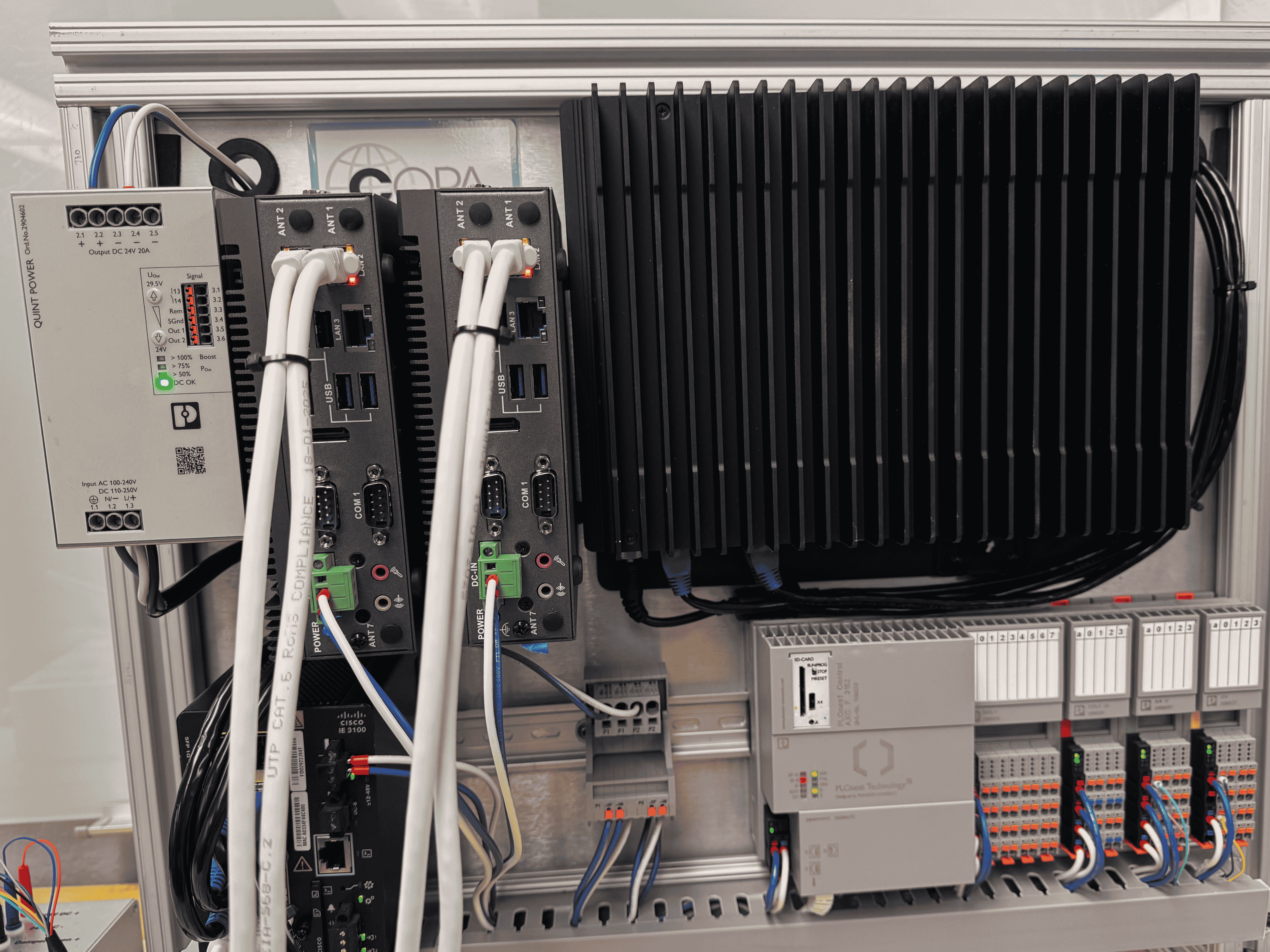
  • ExxonMobil chemical terminal, in production
  • Texas A&M SMR facility, closed-loop AI on the Fusion 500
  • U.S. Army red team, February 2026
Start on one isolatable unit. Sequence the rest after it proves itself.
Fusion 500 evaluation unit.

CPLANE is delivered by a global network of certified systems integrators.

Find a Partner

Before the Next Turnaround

The time to decide is before the controls spec is locked.

Start with one isolatable unit.