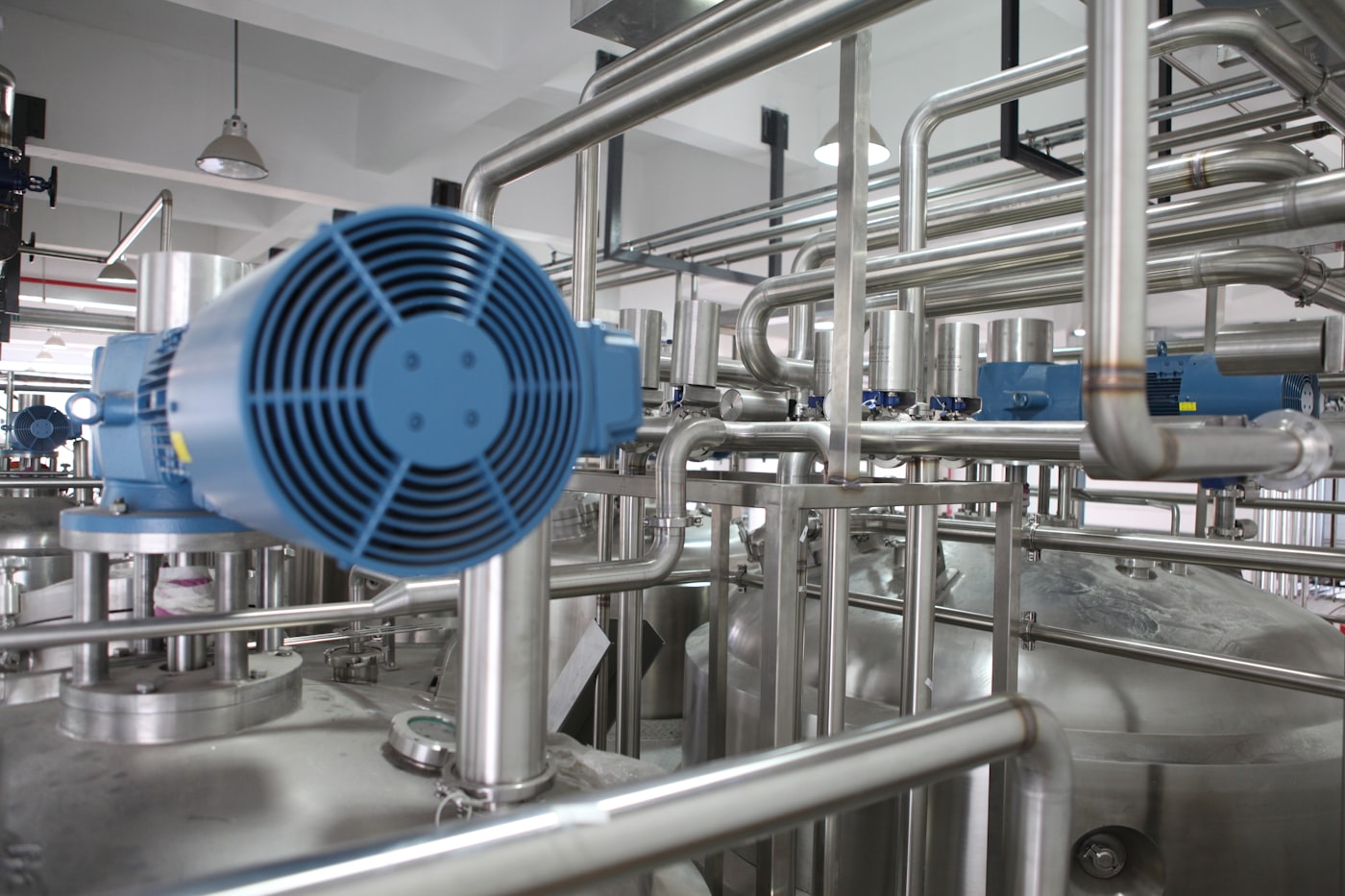
Process plant piping and equipment
Food Processing

Keep the Line in Production

CPLANE helps food and beverage plants and the system integrators who serve them replace proprietary PLCs and DCS nodes with an open, O-PAS-based system. Cybersecurity is designed in. Batch and continuous lines stay running.

Quick estimate

Downtime cost avoided with a phased cutover

$250,000
21 days
2 days

$4.8M

19 production days kept

How CPLANE does it

Compares a single big-bang cutover with migrating one isolatable unit at a time.

Revenue pulled forward

50 MW
$150
6 weeks

$10.4M

$1.7M per week of delay

How CPLANE does it

Every week of commissioning delay is a week of unbilled capacity.

Annualized OT downtime exposure

$250,000
7 days
10%

$175,000

Single incident: $1.8M

How CPLANE does it

Illustrative only, not a risk assessment.

Annual value from optimization

$200.0M
1.5%
$20.0M
5%

$4.0M

$3.0M yield, $1.0M energy

How CPLANE does it

Adds a yield or throughput gain on production value to a reduction in annual energy spend.

Set up a Strategy Call

The Line Does Not Have to Stop for a Replacement

Aging proprietary controllers are a production problem. A sanitation window is short. Spares get harder. Every patch needs its own window.

A phased approach keeps field wiring and modernizes compute in steps. That fits a plant that has to ship, clean, and start the next batch.

Talk with an Expert

How We Start

Phased modernization that keeps batch and continuous lines in production.

Step 1

Map What Is Exposed

Controller inventory, where remote access lives, and which lines cannot take a single-vendor outage.

Step 2

Prove One Island

Live control starts on one isolatable unit: a cooker, a CIP skid, a cold room, or one packaging line. The rest stays on the installed stack until that island proves itself.

Step 3

Keep the Integrator

CPLANE does not go around the SI who already knows the plant. Engineering, the integrator, and operations stay in the loop.

Step 4

Evaluate on the Fusion 500

Validate the platform on the Fusion 500 before a wider rollout. Same stack for a batch process and a continuous line.

Built for Food Processing

Batch and continuous food plants. One open control architecture.

Batch and continuous lines

Batch and continuous lines. CIP, cook, chill, and pack. Refrigeration, steam, and the utilities that keep a food plant in specification.

  • Batch cook, mix, and ferment
  • CIP, chill, and packaging lines
  • Refrigeration, steam, and plant utilities
One pane of glass. One security perimeter.
Stainless process piping, tanks, and motors on a food production line.

Lock-in is a production problem

When one OEM controls the outage window, the spare-parts price, and the upgrade roadmap, the plant has no other path. That dependency compounds over a 25-year asset life.
  • Internet-facing controllers are a known vector
  • A full replacement is often not in the budget
  • Food plants run the same controller families, and a patch still waits on a sanitation window
Modernize compute. Keep the field wiring.
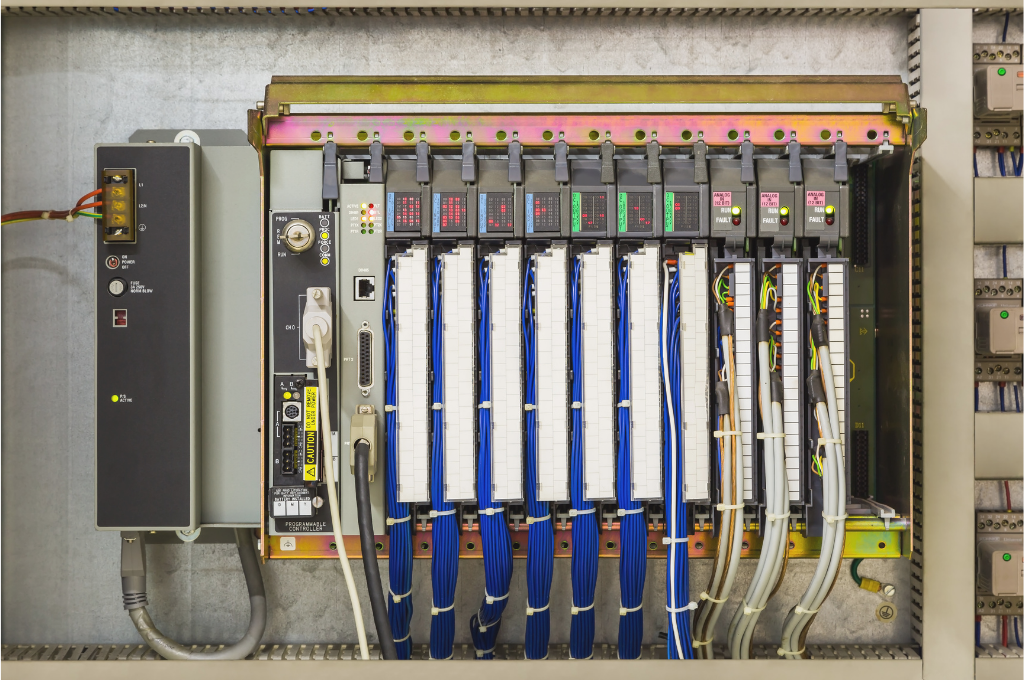
Older proprietary PLC hardware.

Modernize while the line stays in production

Batch and continuous lines move onto O-PAS in phases. One capital vote does not have to replace every skid. Sanitation windows stay the cutover window.

  • Start on one CIP skid, one cooker, or one packaging line
  • Keep field wiring when rewiring costs more than a short outage
  • Take controllers off the public internet, then zone the plant
Your SI stays in the loop.
Stainless process tanks on a production line.

Open, software-defined control

Harder to attack, easier to patch, cheaper to sustain, and free of single-vendor dependency at every layer. Software failover in under one control cycle. No extra standby chassis.

  • IEC 61131-3 applications and any OPC UA HMI
  • Patch and swap a node without a maintenance window
  • Multiple vendors can supply standards-based components
Not a lock-in swap.
Engineers coordinating on an industrial site.

Designed in, not bolted on

Food plants run the same exposed controller families named in industrial advisories. The control layer is built to IEC 62443-4-2 SL2. A February 2026 U.S. Army red team found no vulnerabilities that allowed unauthorized access to control.
  • Zone the plant. Access through a gateway.
  • Not a substitute for red-teaming or taking controllers off the internet today.
  • A password change on a controller is an operations event.
Residual risk is never zero.
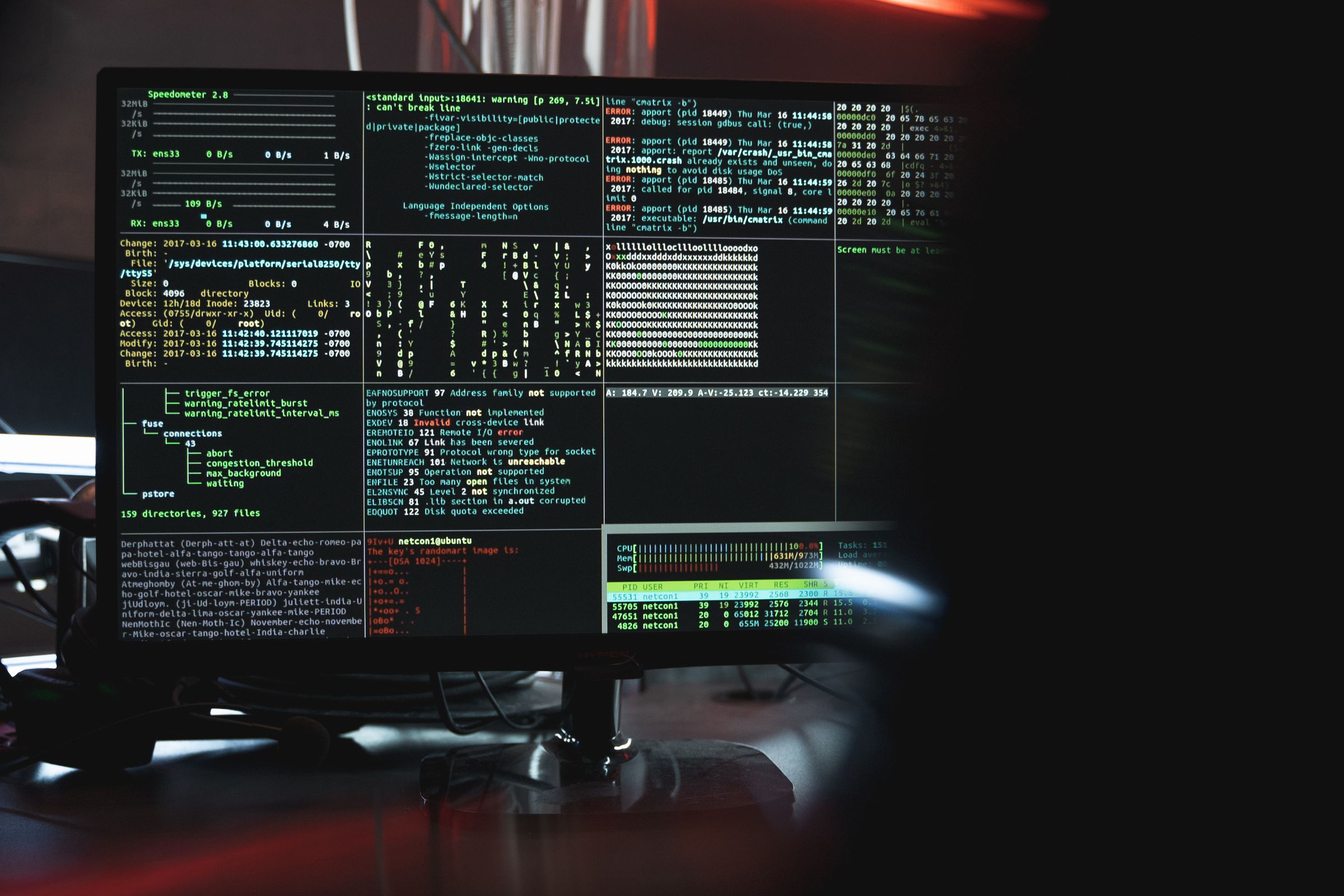
Security operations monitors.

In production, and relevant here

Open control on this stack is in production at an ExxonMobil chemical terminal, a continuous process with the same constraint a food line has: production stays online. Fusion 500 is the evaluation unit before a wider rollout.
  • Continuous process, in production
  • ExxonMobil chemical terminal, in production
  • Evaluation on the Fusion 500 before a line rollout
High availability is the argument that still keeps plants on a closed controller. That account is in Resources.
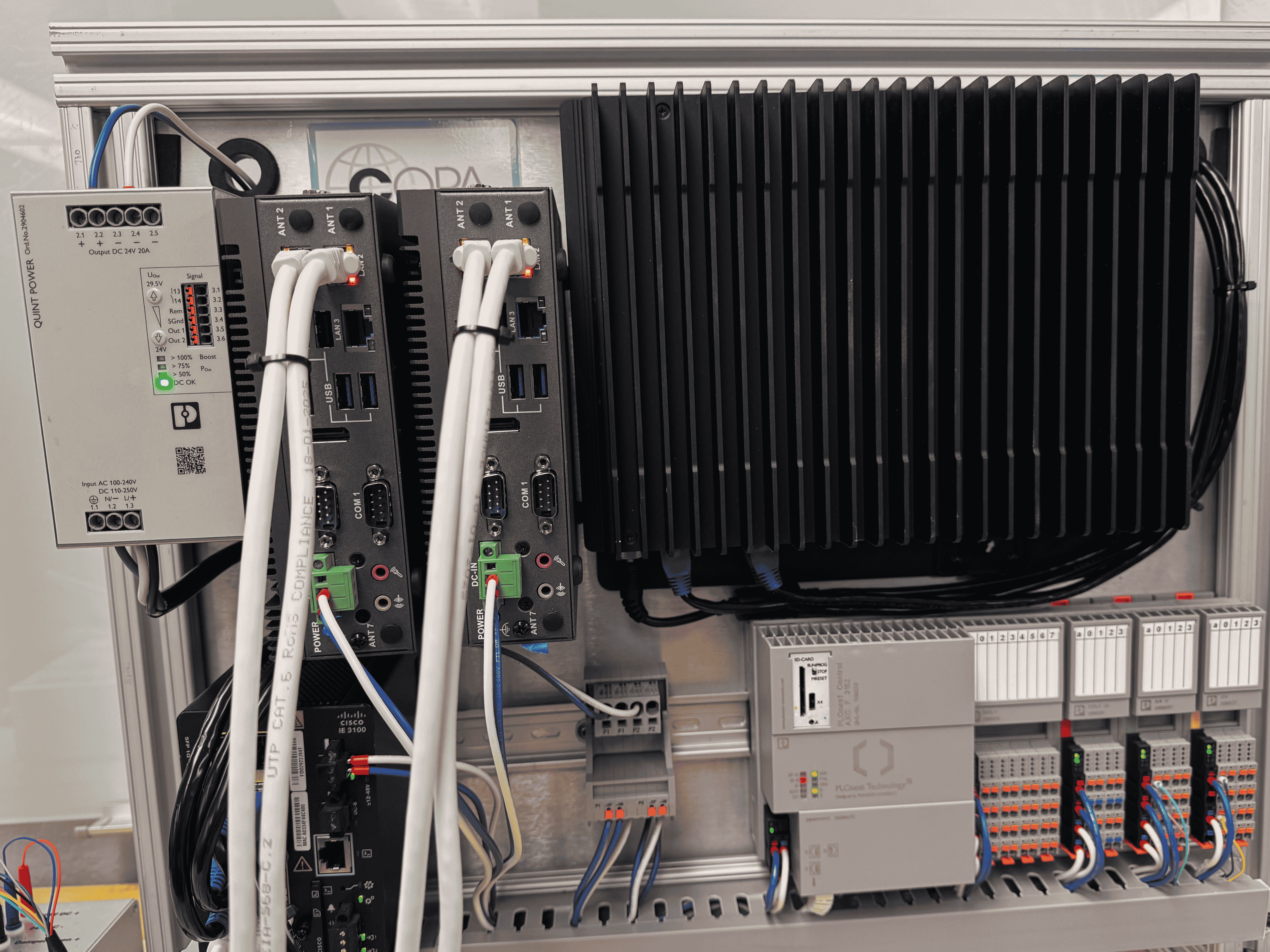
Fusion 500 evaluation unit.

CPLANE is delivered by a global network of certified systems integrators.

Find a Partner

Modernize in Phases

A phased path that keeps field wiring and stays inside the budget you have.

Batch and continuous lines. One architecture.