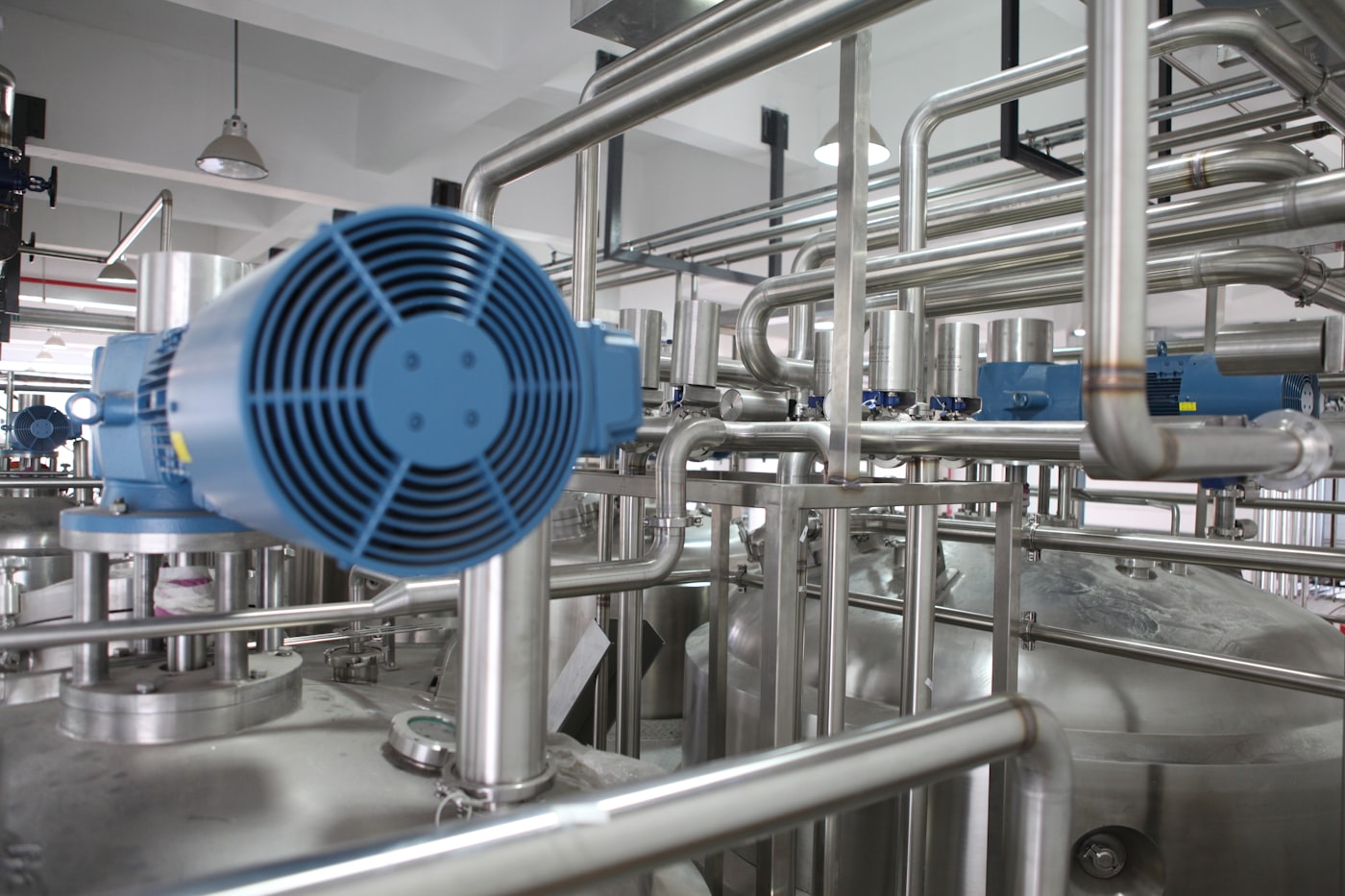
Regulatory context, operational risk, and capital cycles differ by industry. The paths below cover oil and gas, data centers, water and power, government, and food processing.














Open automation is not one-size-fits-all. Refining operators care about uptime during migration. Research environments demand certification rigor. Power and chemical plants face different regulatory and lifecycle pressures.
CPLANE brings production-proven deployments, certified SI partners, and industry-relevant proof to each sector. Pick your industry below — detailed industry pages are coming soon.
Set up a Strategy CallOpen automation is proven in demanding process environments. Start with the sector closest to yours.

Modernize and optimize control from upstream through downstream. Field I/O stays. The plant keeps running.
Talk to Us About This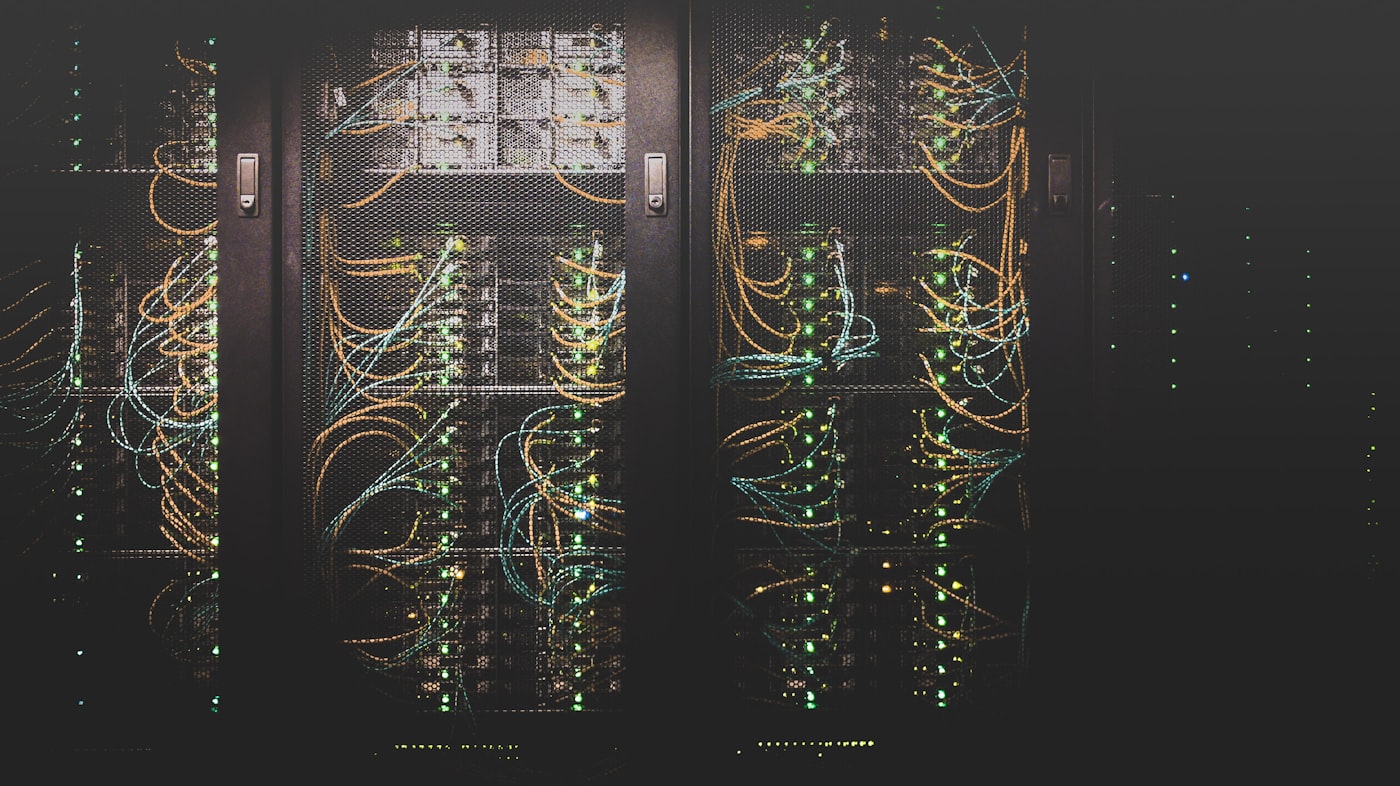
Accelerate time to power. Open control for cooling, power, and air handling on one platform.
Talk to Us About This
Open control for treatment plants and power systems. Cybersecurity is designed in, and production stays online.
Talk to Us About This
Protect mission-critical infrastructure with open, O-PAS-based control for defense installations and civilian agencies.
Talk to Us About ThisOpen control for batch and continuous food lines. Cybersecurity is designed in, and the line stays in production.
Talk to Us About ThisOpen automation is a significant decision. We help you make it with confidence.
We start by understanding your plant, your current system, and where the pain is. No pitch deck. Just a conversation about what you are running, what is not working, and what you want to be able to do.
We help you translate the technical opportunity into a business case your organization can evaluate. That means TCO data, reference deployments, and a migration framework you can actually take to a capital review.
CPLANE works through certified SI partners who own the implementation. We help you identify the right partner for your project and make sure they are set up to deliver.
Before a full deployment, we run a structured evaluation on the Fusion 500, so your engineering team can validate the platform in your environment, against your requirements.
We designed our platform to work within your existing relationships. We do not replace your SI. We make them more capable.
Our platform is sold, implemented, and supported by a global network of certified systems integrators. Your SI partner owns the delivery. We make sure they have everything they need to do it right.
Find a PartnerBring open automation to your customers. Our partner program gives your team the training, certification, and support to deliver Open Automation with confidence.
Become a PartnerThe cost data, deployment proof, and TCO analysis that helps you build the internal case for open automation.
Download the TCO DataA plain-language explainer on the Open Process Automation Standard and what it means in practice for your operation.
Read the GuideHow open architecture is the foundation for AI-assisted control, advanced analytics, and the next generation of industrial operations.
Read the ArticleStraight answers to the questions operators ask most about open automation.
Open automation is an approach to industrial control where the hardware, software, and networking come from multiple vendors and interoperate through open standards rather than a single proprietary system. O-PAS, the Open Process Automation Standard, is the standard that makes this possible. It defines how components from different vendors connect and work together, so operators can choose best-fit products and avoid being locked into one vendor's ecosystem.
It is proven in production. Open control on this stack runs at an ExxonMobil chemical terminal, a continuous process that stays online. A February 2026 U.S. Army red team found no vulnerabilities that allowed unauthorized access to control. Fusion 500 is the evaluation unit before a wider rollout.
Operators deploying CPLANE have documented hardware and software cost reductions of more than 50% versus a traditional distributed control system (DCS) replacement. Beyond the upfront savings, open automation removes the recurring cost of vendor lock-in, so future pricing and upgrades are not set by one vendor.
No. CPLANE supports a phased migration that keeps the plant running throughout the transition. Operators move in stages aligned to their own schedule rather than performing a single rip-and-replace, which avoids the extended shutdown that switching costs are often assumed to require.
Not necessarily, and it is worth evaluating directly. Open automation interoperates with components that conform to the O-PAS standard. Because O-PAS is a newer standard, much existing plant hardware is not yet certified to it and will not always integrate out of the box. What open automation provides is freedom from single-vendor lock-in going forward: as you adopt O-PAS conformant components, you can mix and match across vendors. CPLANE and your SI partner can assess your current equipment and identify what carries forward and what does not as part of a migration plan.
Yes. Open automation does not require abandoning your vendor relationships. As more vendors offer O-PAS conformant products, you can continue working with the suppliers and integrators you already trust while gaining the ability to combine their products with others. The shift is away from being locked into a single vendor's proprietary ecosystem, not away from the relationships themselves.
Yes. The O-PAS standard is built to IEC 62443, the international standard for industrial automation and control system security. Security is designed into the architecture from the start, with automated response to security events, rather than added as a separate project after deployment.
CPLANE is implemented by a global network of certified systems integrators (SIs). The SI partner owns the delivery, from assessment through commissioning, and CPLANE supports them with training, certification, and technical resources. Operators work with integrators who have been trained and certified on the platform.
Open automation affects control engineers, plant managers, system integrators, and industrial executives differently. Control engineers gain a certified platform and technical proof; plant managers gain cost reductions and a low-risk migration; system integrators gain a platform to deliver and grow with; executives gain a long-term business case. CPLANE provides role-specific guidance, reference deployments, and a structured evaluation (the CPLANE EvalKit) to help each stakeholder assess the fit.
The risk has been mitigated.
The question is how fast your plant can move.