Proprietary DCS
One vendor's stack
- Hardware, software, and support from a single supplier
- Lifecycle cost that stays hard to see until the next upgrade
- A replacement that tends toward rip-and-replace
- Application software tied to that vendor's system
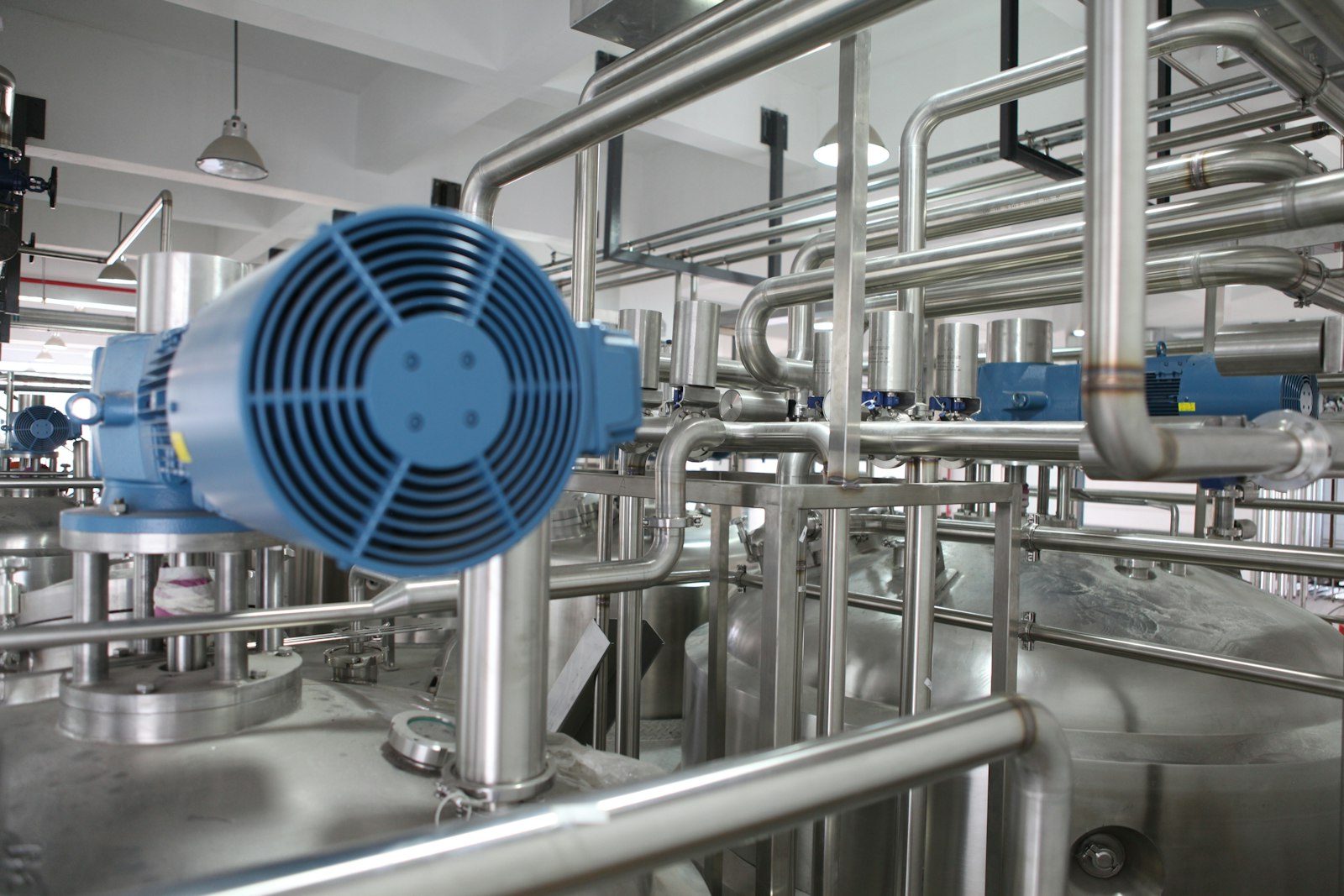
A proprietary DCS ties the plant to one vendor's hardware, software, and upgrade path. Open automation uses the O-PAS standard so more than one supplier can work in the same system.











For decades, a distributed control system meant one vendor's hardware, software, and upgrade path. Replacing a controller often meant replacing the ecosystem around it, then defending that choice for the next decade. Open process automation changes the model. Hardware and software from more than one supplier connect through O-PAS, the Open Process Automation Standard from The Open Group.
Proprietary DCS
Open / O-PAS
O-PAS is a reference architecture, not one more fieldbus spec. The Open Process Automation Forum adopts existing open standards where they fit, and fills the gaps that remain. Our platform is built from the ground up based on that standard.
Choose hardware and software on capability, not because they sit inside one vendor's system.
Protect the application investment when a controller or I/O component is replaced.
IEC 62443 is part of the architecture. A February 2026 U.S. Army red team found no vulnerabilities that allowed unauthorized access to control.
The same standard applies to a new plant and to a plant that is already running a proprietary PLC or DCS.
Open automation is rarely one person's decision. The engineer, the plant manager, the integrator, and the executive evaluate the same architecture from different seats.
A certified, multi-vendor platform, and the technical proof to defend it.
For control engineersPhased migration that keeps the plant running, with production proof for a capital review.
For plant managersAn SI-led delivery model, with the training and ecosystem to implement it.
For system integratorsA long procurement decision that still has to hold after the project team moves on.
For automation leadersOpen automation can be the architecture from day one. Multi-vendor hardware, portable software, and standards-based integration, specified before a proprietary stack is locked in.
An existing plant can move in phases. Interfaces to the current PLC or DCS, then cutover on the plant's schedule, not a single shutdown.
The same comparison applies in oil and gas, data centers, and government, including defense and water utilities.

The case for leaving a proprietary DCS rests on deployments, not a slide.
A chemical terminal in production on the Fusion 500.
Closed-loop AI on a small modular reactor, on the same open platform.
February 2026. No vulnerabilities that allowed unauthorized access to control. Assessed against IEC 62443-4-2 SL2.
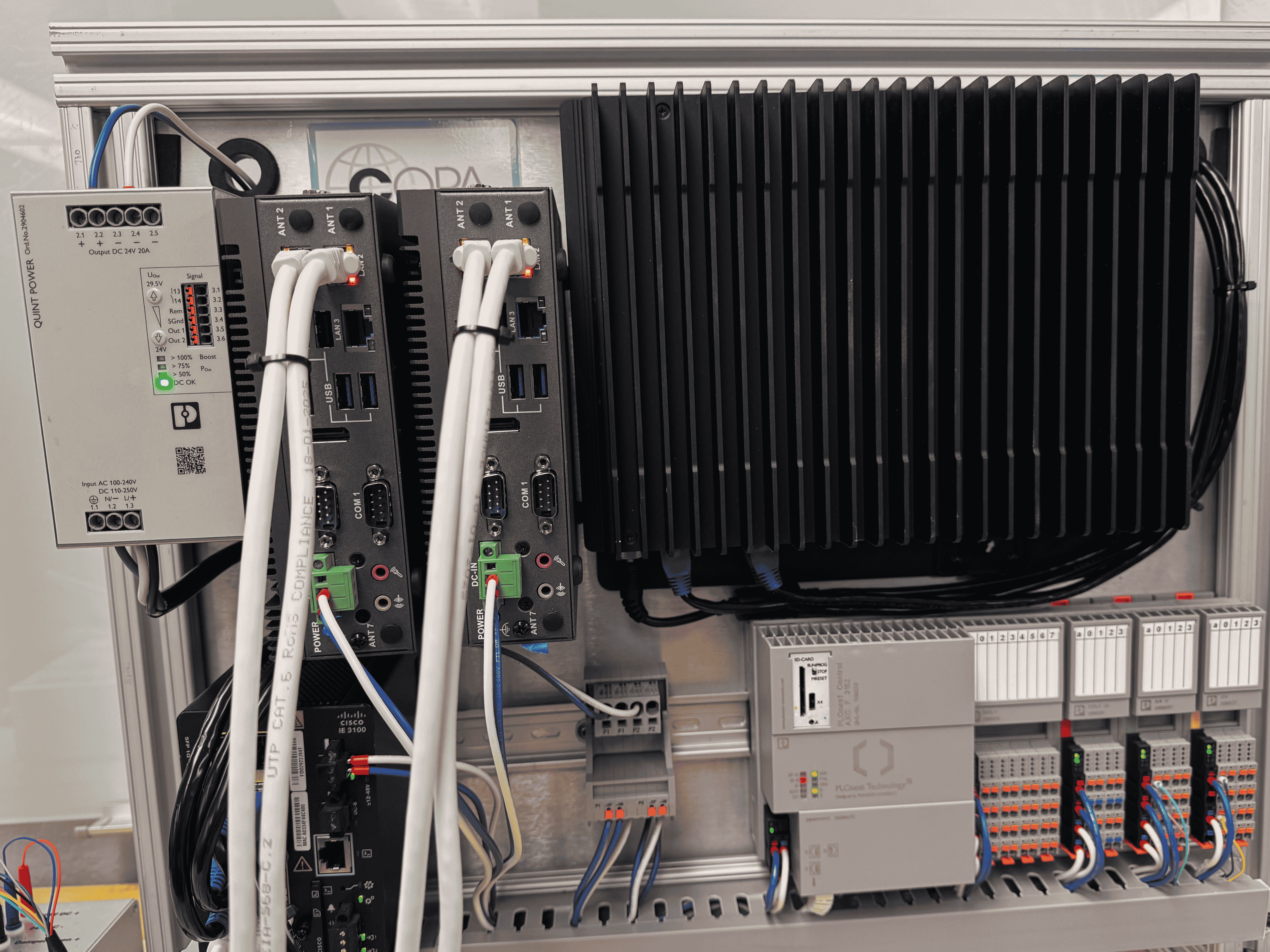
Our platform is built from the ground up based on the O-PAS standard. The Fusion 500 is the hands-on product your engineering team can evaluate in your environment, against your requirements. A certified system integrator owns delivery.
Talk with an ExpertExplore Fusion 500A control system whose hardware, software, and upgrade path come from one vendor. Leaving it later usually means replacing more than the controller.
No. O-PAS applies to greenfield builds and to phased migration of a plant that is already running.
Yes. An ExxonMobil chemical terminal is in production on the Fusion 500. Texas A&M has run closed-loop AI on a small modular reactor on the same platform.
A certified system integrator owns the plant. CPLANE provides the platform and the Fusion 500 for a structured evaluation before a full deployment.
Open automation is a significant decision. We help you make it with confidence.
We start by understanding your plant, your current system, and where the pain is. No pitch deck. Just a conversation about what you are running, what is not working, and what you want to be able to do.
We help you translate the technical opportunity into a business case your organization can evaluate. That means TCO data, reference deployments, and a migration framework you can actually take to a capital review.
CPLANE works through certified SI partners who own the implementation. We help you identify the right partner for your project and make sure they are set up to deliver.
Before a full deployment, we run a structured evaluation on the Fusion 500, so your engineering team can validate the platform in your environment, against your requirements.
Start with the plant you have.
We will map a phased path off a proprietary DCS.