Best-fit components
Integrate hardware and software on capability. A single vendor is no longer the condition for the system to work.
Open process automation replaces a single-vendor control stack with standards-based systems that can work across suppliers. O-PAS is the reference architecture those systems follow.












Open process automation is a way to build a control system from hardware and software that can come from more than one supplier. Those pieces connect through open standards, instead of one proprietary DCS. O-PAS, the Open Process Automation Standard from The Open Group, is the reference architecture that says how conformant components work together.
A proprietary DCS ties the plant to one vendor's hardware, software, and upgrade path. Open process automation keeps that choice with the operator. System integrators deliver against a shared reference. Technology providers compete on capability.
Integrate hardware and software on capability. A single vendor is no longer the condition for the system to work.
Control logic does not have to be thrown out when a controller or I/O component is replaced.
Phased cutover, documented interfaces, and a standard a capital review can point to five years from now.
O-PAS is written for process and batch plants, both new builds and plants already running. The same question shows up for control engineers, plant managers, system integrators, and automation leaders. Each seat looks at the same architecture from a different risk.



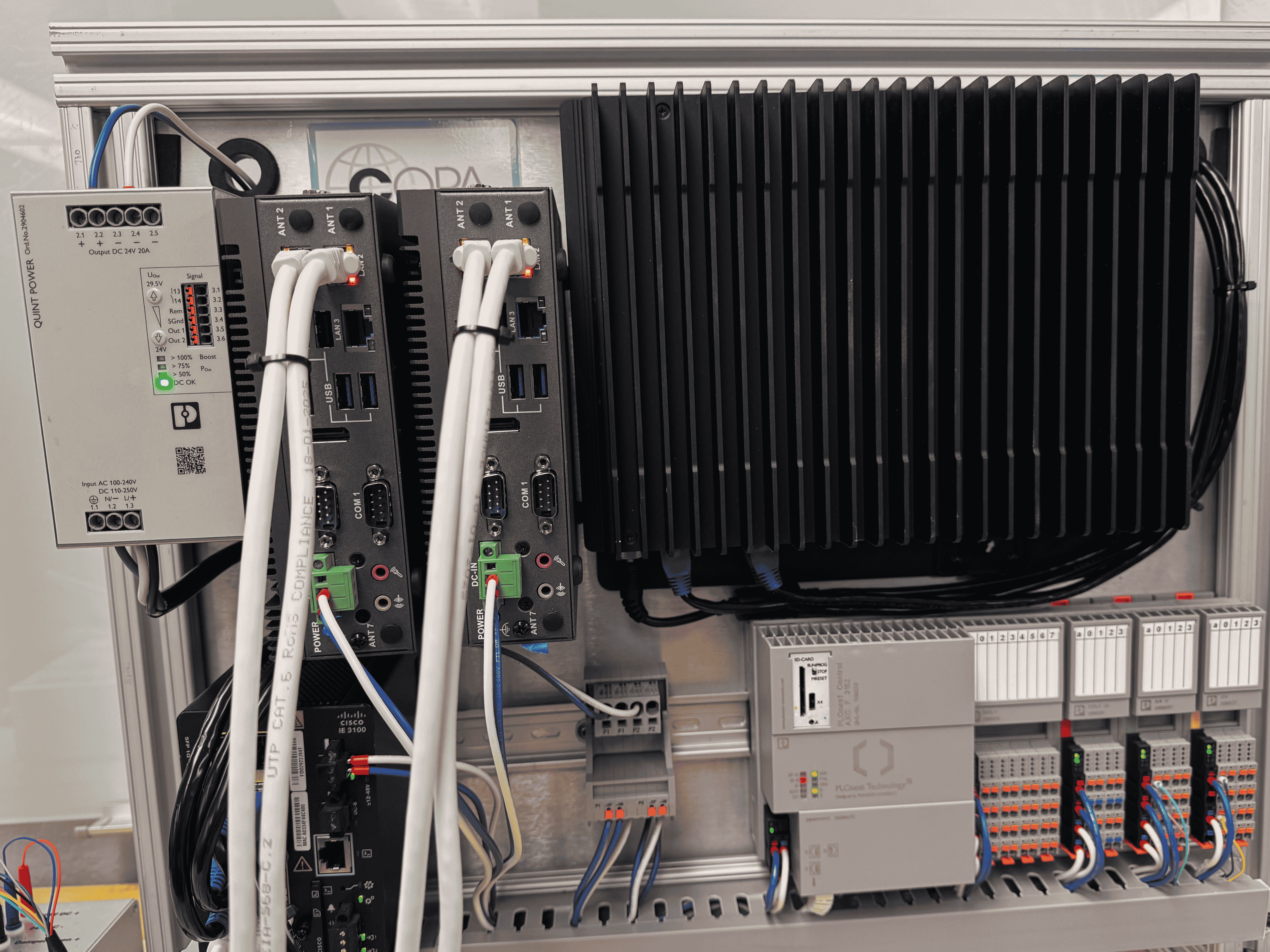
Our platform is built from the ground up based on the O-PAS standard. The Fusion 500 is the hands-on product an engineering team can evaluate in its own environment. A certified system integrator owns delivery.
An ExxonMobil chemical terminal is in production on the Fusion 500. Texas A&M has run closed-loop AI on a small modular reactor on the same platform. In February 2026, a U.S. Army red team found no vulnerabilities that allowed unauthorized access to control.
COPA, the Coalition for Open Process Automation, is the ecosystem around the standard. CPLANE builds the platform.
Explore Fusion 500Visit COPAOpen automation is a significant decision. We help you make it with confidence.
We start by understanding your plant, your current system, and where the pain is. No pitch deck. Just a conversation about what you are running, what is not working, and what you want to be able to do.
We help you translate the technical opportunity into a business case your organization can evaluate. That means TCO data, reference deployments, and a migration framework you can actually take to a capital review.
CPLANE works through certified SI partners who own the implementation. We help you identify the right partner for your project and make sure they are set up to deliver.
Before a full deployment, we run a structured evaluation on the Fusion 500, so your engineering team can validate the platform in your environment, against your requirements.
Start with the system you run today.
We will show where an O-PAS path fits.