November 19, 2026
Opening keynote, Billington Critical Infrastructure CyberSecurity Summit, San Antonio, November 17-18, 2026.
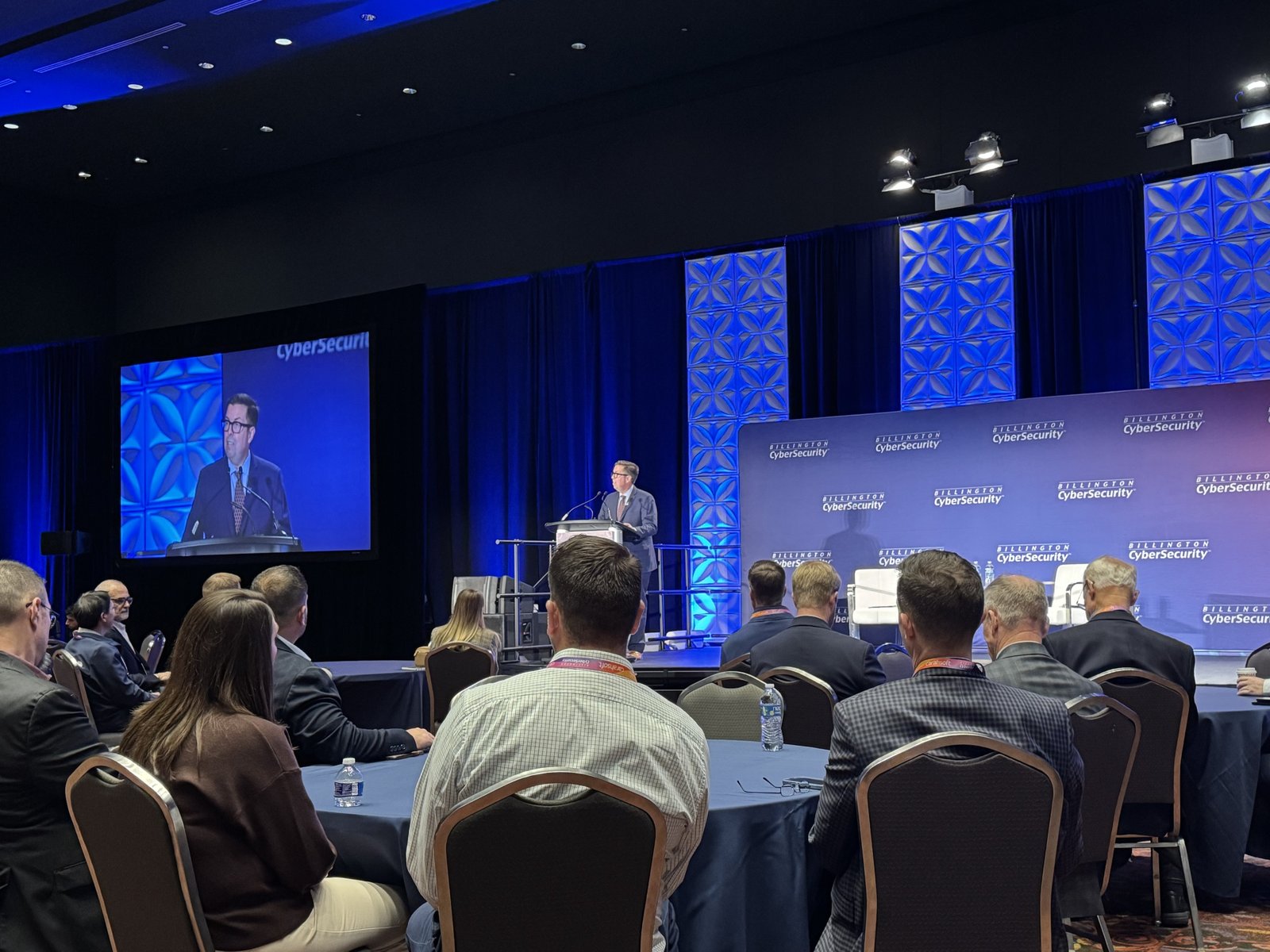
"Cybersecurity is a shared mission." That's how Texas Cyber Command Chief TJ White put it on November 17, the day his agency named 63 companies to Project Watershed 250. It's a no-cost pilot to help Texas water and wastewater utilities defend themselves. CPLANE is one of the 63.
The announcement landed as the first Billington Critical Infrastructure CyberSecurity Summit opened in San Antonio. For two days, leaders from four lifeline sectors (energy, communications, transportation, and water) worked the same problem from different angles.
I went to listen and learn.
Here's what I heard, and what it means for the people who keep the water running.
The FBI's cyber leadership opened the summit with a blunt frame: securing infrastructure is a national security issue. They named Volt Typhoon, the Chinese state campaign that has stealthily pre-positioned inside U.S. utilities. The goal isn't to take down a city. It's to slow the military by hitting the local systems that bases and their towns depend on.
Water came up by name. No one has died from an attack on a water plant (yet), but there have been plenty of boil-water orders. And a lot of the hardware is old.
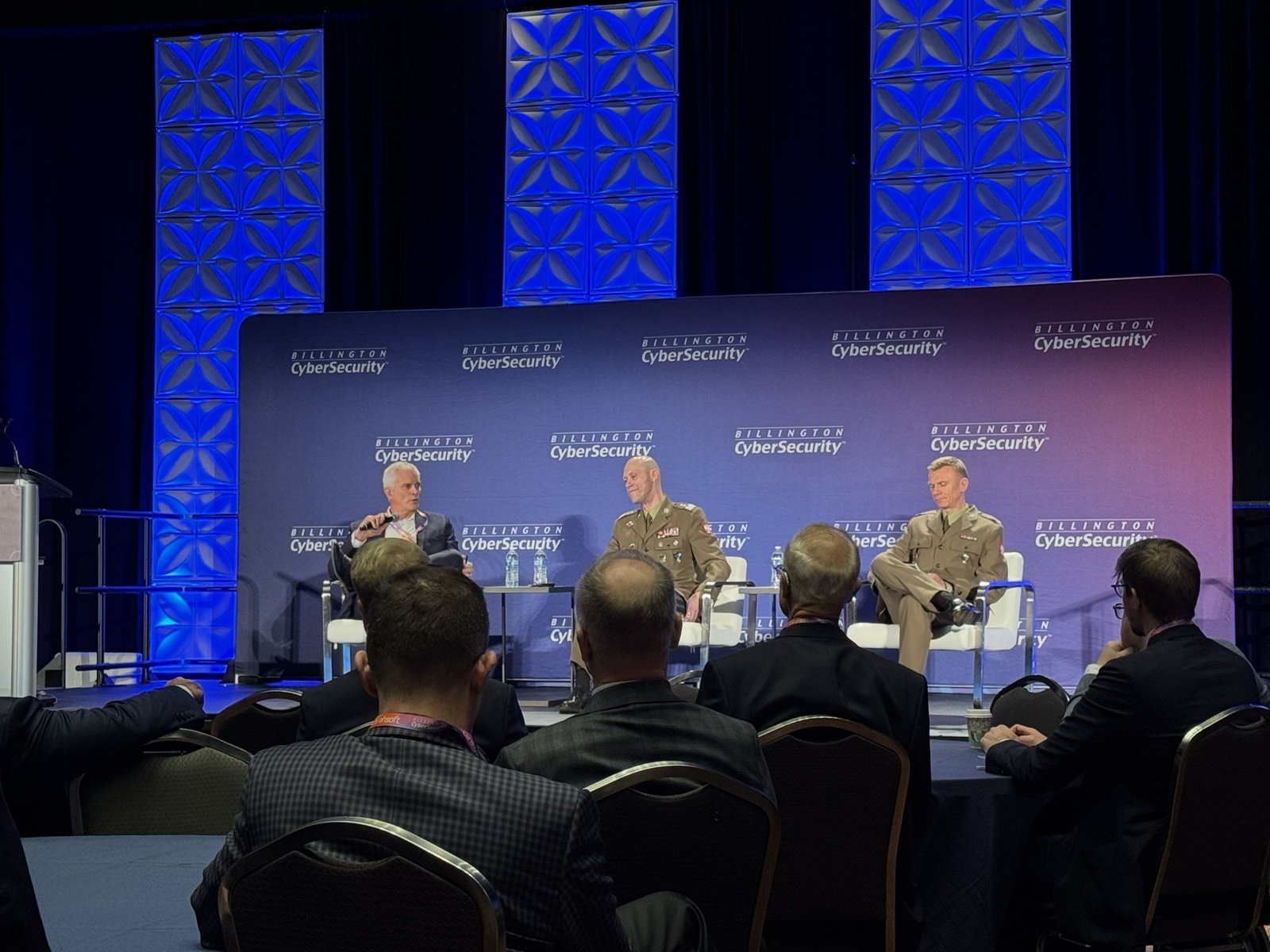
Poland showed what patience looks like in practice. In December 2025, attackers hit a combined heat and power plant, a second smaller plant, and dozens of renewable energy sites on the same day. Poland's national CERT has since published the details. At the smaller plant, the attackers didn't come through the front door. They crossed a private cellular network from a wind farm, found a controller still on its default password, and used it to reach the plant. The steam turbine stopped. So did the system that treats the plant's process water (follow up report here).
The lesson from both: by the time you see them, they've been there a while.
If one line ran through both days, it was this: you are never too small to be a target. Most victims aren't the big names. They're the small systems with thin staff and old equipment.
Littleton, Massachusetts, is the case everyone knows. Its municipal electric and water utility is where Volt Typhoon was found. The network was flat, so once the attackers were in, they were in. They had the admin password. Since then, Littleton has separated its networks and started moving to device and person identity. It isn't finished, and the older controllers are still there. That's honest, and it's normal.
This summer brought the point home again, when coordinated attacks hit community water systems across Minnesota.
Texas has more than 7,400 public water systems and 3,000 wastewater facilities serving 31 million people, according to Texas Cyber Command. The state's CIO put it simply: everyone is a target, rural systems included. And don't abandon the basics.
The panels kept naming the same doors:
AI is speeding all of this up. The FBI flagged open-source, AI-driven attack tools that are spreading fast. Security researchers have watched them move from stolen credentials to the next system in about a minute. Defenders are getting stretched.
Billington put four sectors in one room on purpose. By the end of day two, I could see why.

A rail panelist pointed out that the chlorine water plants use for treatment moves by rail. A Texas water leader summed up his job as keeping the lights on so the water keeps flowing. Remote lift stations and tanks talk to the plant over cellular networks, and in Poland, a cellular network was the path the attackers took. A NIST researcher flipped the usual frame: water isn't only a target, it's a dependency that hospitals, data centers, and factories can't run without.
The moderator of the supply chain panel named the gap underneath all of it: the space between cyber and physical. Most organizations don't know what they depend on until it stops.
So I agree with TJ White that cybersecurity is a shared mission. Water needs power. Power needs communications. And all of it moves on transportation. A small water utility sits in the middle of that web, often with the fewest people to defend it.
Start with the basics. They're free, and they're where most attacks succeed or fail.
Then move to the operational side, where the plant actually runs:
That third step is where CPLANE works: helping utilities move to a control system they can separate and secure, without shutting the plant down. We're one of 63 partners in Project Watershed 250, alongside companies that find, watch, and guard OT systems. The point of a shared mission is that no one does all of it alone.
Nine states now have binding cybersecurity rules for water or wastewater systems that we could confirm at the source. Seven require a cybersecurity program or plan; two require incident reporting. Rules change, so check each source for the latest.
Federal bill to watch: the Water Cyber Shield Act of 2026 (S. 5368) would direct EPA to set tiered cybersecurity standards, add $300 million a year each for drinking water and wastewater cybersecurity, and extend federal incident reporting to state and locally owned systems. It was introduced August 7, 2026.
Know of a state we missed? Tell us, and we'll add it.
{"@context":"https://schema.org","@graph":[{"@type":"Article","@id":"https://www.cplaneai.com/resources/billington-critical-infrastructure-2026-field-notes#article","headline":"Billington Critical Infrastructure 2026 Field Notes","description":"Opening keynote, Billington Critical Infrastructure CyberSecurity Summit, San Antonio, November 17-18, 2026.","datePublished":"2026-11-19","image":"https://cdn.prod.website-files.com/6a457bcd33376d2561fe71d5/6aff7cc05e63984a8e281e31_6aff7bdb1cf29c3c0fb74cc6_billington-2026-opening-keynote.jpeg","author":{"@type":"Person","name":"Jarie Bolander"},"publisher":{"@id":"https://www.cplaneai.com/#organization"},"url":"https://www.cplaneai.com/resources/billington-critical-infrastructure-2026-field-notes","mainEntityOfPage":{"@id":"https://www.cplaneai.com/resources/billington-critical-infrastructure-2026-field-notes#webpage"},"inLanguage":"en-US"},{"@type":"WebPage","@id":"https://www.cplaneai.com/resources/billington-critical-infrastructure-2026-field-notes#webpage","url":"https://www.cplaneai.com/resources/billington-critical-infrastructure-2026-field-notes","name":"Billington Critical Infrastructure 2026 Field Notes | CPLANE","description":"Opening keynote, Billington Critical Infrastructure CyberSecurity Summit, San Antonio, November 17-18, 2026.","isPartOf":{"@id":"https://www.cplaneai.com/#website"},"about":{"@id":"https://www.cplaneai.com/#organization"},"inLanguage":"en-US"},{"@type":"BreadcrumbList","itemListElement":[{"@type":"ListItem","position":1,"name":"Home","item":"https://www.cplaneai.com/"},{"@type":"ListItem","position":2,"name":"Resources","item":"https://www.cplaneai.com/resources"},{"@type":"ListItem","position":3,"name":"Billington Critical Infrastructure 2026 Field Notes","item":"https://www.cplaneai.com/resources/billington-critical-infrastructure-2026-field-notes"}]}]}"