October 30, 2026
Project Watershed 250 gives Texas water utilities free cyber assessments and defensive tools. The gaps it finds are the ones closed architectures make harder to close.
Project Watershed 250 is the federal government's new model for defending U.S. water systems against cyberattacks. It gives water and wastewater utilities cyber assessments, remediation help, and defensive tools, at no cost to the utility. The White House launched it with Texas Governor Greg Abbott in San Antonio on August 31, 2026.
The pilot runs in Texas for six months. The stated plan is to take the model national, and possibly to other critical infrastructure. Paired with CISA's new 2030 strategic plan, it shows where OT security is headed for every utility, especially the thousands of small and rural systems running decades-old controls with no security staff.
Watershed 250 pairs federal and state agencies with private security and AI firms. Texas Cyber Command runs it on the ground. The agency was created by House Bill 150 in 2025 and is billed as the largest state cybersecurity department in the country.
The private partner list comes from press coverage, not an official roster. TXCC has also issued a Request for Applications for more vendors to offer no-cost services.
Participating utilities get hands-on security work. Per TXCC and partner announcements, that includes:
All of it is free to the utility. The focus is smaller and rural providers, which often have no dedicated security staff, and sometimes no dedicated IT person.
Water is one of the softest targets in U.S. critical infrastructure. Recent incidents:
More than 30 Minnesota water systems were hit in a recent attack wave; investigators believe Iranian hackers are likely behind it.
The FBI has reported incidents at 27 water providers across at least seven states.
CISA alerts have flagged attacks on more than 100 U.S. water systems.
Dragos CEO Robert M. Lee estimates roughly 97% of utilities lack the resources to address the problem.
The common entry point is poorly secured remote access into the operational technology (OT) that runs treatment and distribution. A White House official said the program was already in development and is not a direct response to Minnesota. As Lee puts it: "This is an economics issue not a lack of caring."
The pilot launched August 31 and runs six months, so it wraps up around the end of February 2027. A few things aren't public yet:
Watershed 250 is the near-term, hands-on effort. CISA 2030 is the long-term direction it feeds into. CISA released CISA 2030: Defend, Harden, Prevail on October 26, 2026, and its Defend pillar names three OT problems every water utility will recognize:
Modernizing OT environments.
Improving asset visibility and anomaly detection.
Assuring OT supply chain integrity.
They line up with what Watershed 250 red teams are finding: aging control systems, little visibility into what's on the network, and components nobody can fully inspect. The pilot finds the gaps one utility at a time. CISA 2030 sets the bar for closing them nationally. As we wrote in CISA 2030 Named Three OT Problems, closed, proprietary architectures make all three harder, and open standards like O-PAS are built to solve them.
If you're in Texas, get in line. If you're anywhere else, assume this model is coming your way, and plan for month seven regardless.
Contact Texas Cyber Command through its Watershed 250 page (Texas utilities) and ask how to participate. Outside Texas, watch for national expansion and talk to your state's cyber office.
Map your remote access. Know every path into your OT network: vendor VPNs, remote desktop, cellular modems. That's where most attacks start.
Know what you'd see. If someone reached your HMI tonight, which log would show it, who reads it, and how long would it take?
Use the free help that already exists. Programs like Dragos's Community Defense Program offer OT security tools to qualifying small utilities.
Plan the upgrade path. Fixes from an assessment won't last on control systems that can't be patched. Look for platforms built to standards like IEC 62443 and O-PAS, with data you can see and use. That's the direction CISA 2030 points.
The same problem shows up beyond water. In a recent VKTR piece, I looked at how AI data centers use water like plants but run like office buildings: facilities with industrial-scale water use, run on tools never meant for it. The fix is the same in both places: open, standards-based control with data operators can trust.
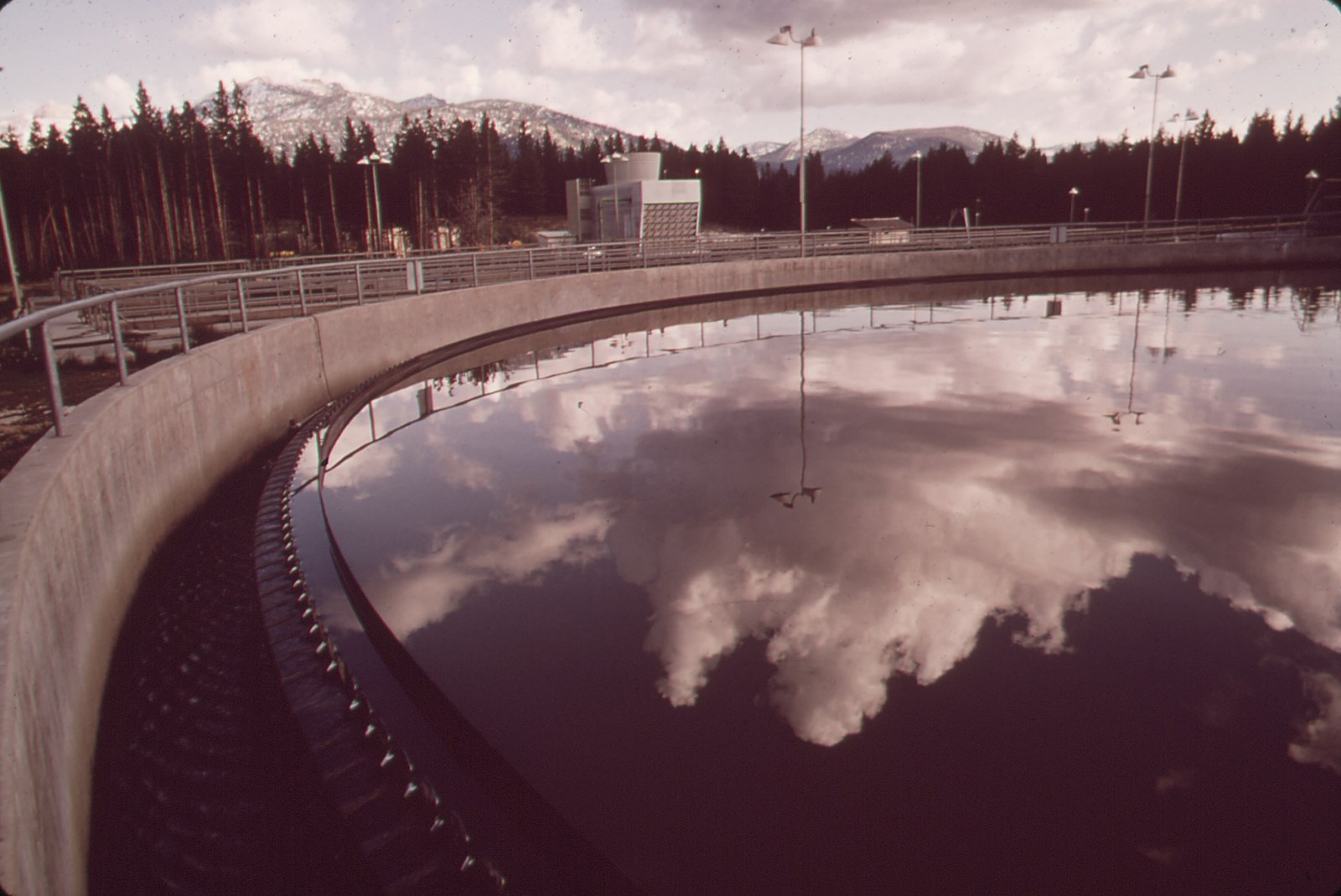
Photograph: clarifier at a water treatment plant, May 1972. Belinda Rain, U.S. National Archives. Public domain.
{"@context":"https://schema.org","@graph":[{"@type":"Article","@id":"https://www.cplaneai.com/resources/project-watershed-250#article","headline":"Project Watershed 250: What Every Water Utility Needs to Know","description":"Project Watershed 250 gives Texas water utilities free cyber assessments and defensive tools. The gaps it finds are the ones closed architectures make harder to close.","datePublished":"2026-10-30","image":"https://cdn.prod.website-files.com/6a457bcd33376d2561fe71d5/6ae4c9c1bea07cc7aa529de9_6ae4c98fbfcceb16022e9bcf_project-watershed-250-clarifier.jpeg","author":{"@type":"Organization","name":"CPLANE","url":"https://www.cplaneai.com"},"publisher":{"@id":"https://www.cplaneai.com/#organization"},"url":"https://www.cplaneai.com/resources/project-watershed-250","mainEntityOfPage":{"@id":"https://www.cplaneai.com/resources/project-watershed-250#webpage"},"inLanguage":"en-US"},{"@type":"WebPage","@id":"https://www.cplaneai.com/resources/project-watershed-250#webpage","url":"https://www.cplaneai.com/resources/project-watershed-250","name":"Project Watershed 250: What Every Water Utility Needs to Know | CPLANE","description":"Project Watershed 250 gives Texas water utilities free cyber assessments and defensive tools. The gaps it finds are the ones closed architectures make harder to close.","isPartOf":{"@id":"https://www.cplaneai.com/#website"},"about":{"@id":"https://www.cplaneai.com/#organization"},"inLanguage":"en-US"},{"@type":"BreadcrumbList","itemListElement":[{"@type":"ListItem","position":1,"name":"Home","item":"https://www.cplaneai.com/"},{"@type":"ListItem","position":2,"name":"Resources","item":"https://www.cplaneai.com/resources"},{"@type":"ListItem","position":3,"name":"Project Watershed 250: What Every Water Utility Needs to Know","item":"https://www.cplaneai.com/resources/project-watershed-250"}]}]}